
Automation & Workflows
How Does Automated Insurance Eligibility Verification Work?
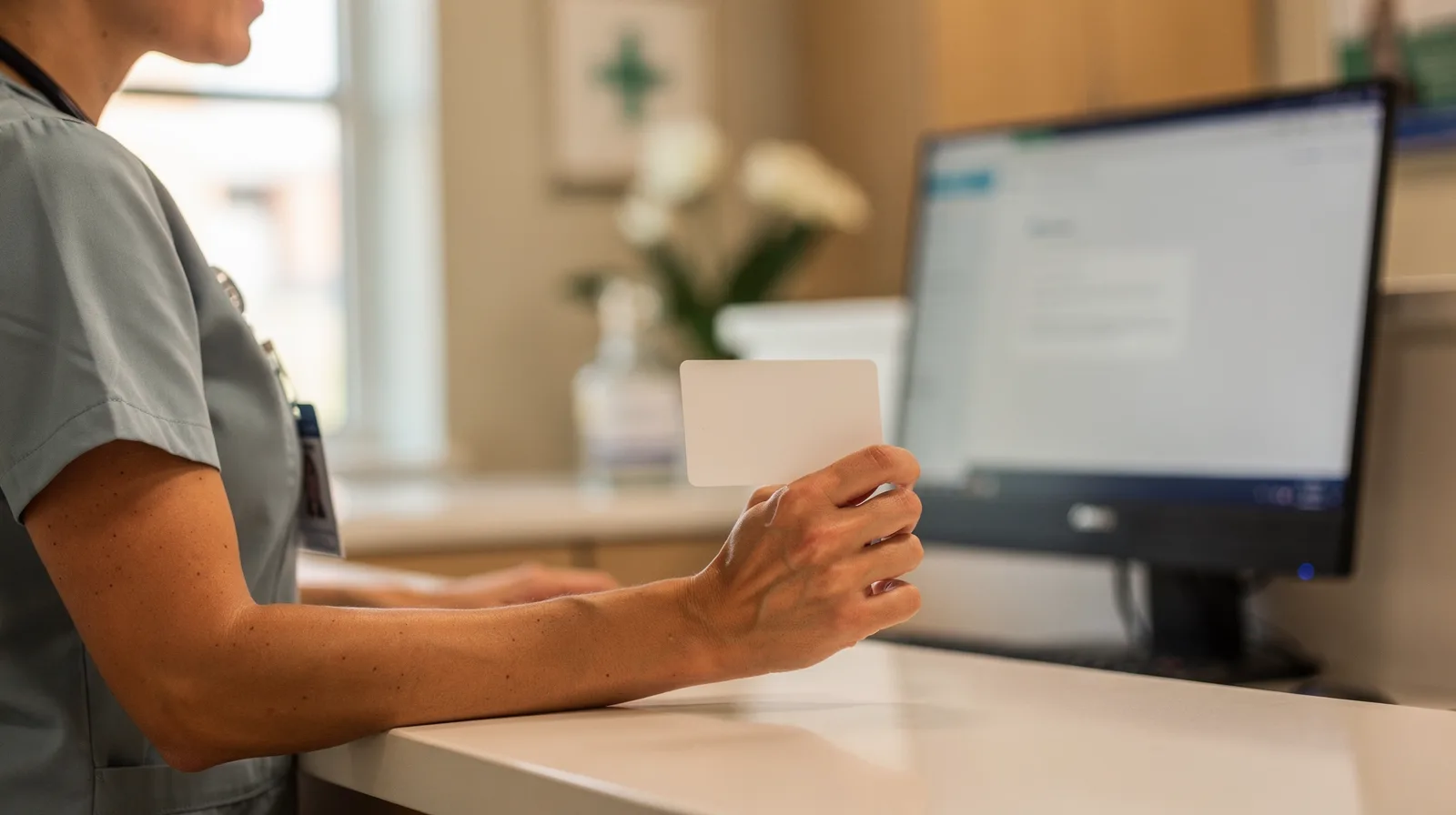
Software sends the patient's insurance details to the payer as a standard electronic inquiry and gets back a standard response: whether coverage is active and what the patient will owe, often within seconds. Automation runs those checks for every patient on the schedule ahead of time, records the results where staff will see them, and sends only the unclear cases to a person.
What happens when a practice checks eligibility electronically?
Two standard electronic transactions do the work. The practice's software, usually through a clearinghouse, sends an X12 270 eligibility inquiry asking the health plan about a patient's eligibility, coverage, and benefits. The plan answers with an X12 271 response. HIPAA makes this pair the required standard for eligibility checks (45 CFR 162.1202), so health plans covered by HIPAA must support it.
What does the payer send back?
Federally mandated operating rules from CAQH CORE set two floors:
- Speed. A real-time response within 20 seconds, counted as met when 90% of a plan's responses in a calendar month arrive that fast (CORE rule 156).
- Content. The patient's financial responsibility: base and remaining deductible, coinsurance, and copay, in network and out of network, for a set list of service types (CORE rule 260).
That covers the basics a front desk needs: whether coverage is active, and roughly what the patient will owe.
Why automate it if the check is already electronic?
Because many practices still do it by hand, one patient at a time, in payer portals or on the phone. The 2024 CAQH Index, the industry's annual benchmark for healthcare administrative transactions, put a manual eligibility and benefits check at $8.57 and 16 minutes of staff time for a provider, against $2.00 and 4 minutes for an electronic one. Automation goes one step further than "electronic": nobody has to start the check at all.
What does an automated eligibility workflow look like?
The version that works runs the night before:
- Pull tomorrow's schedule from the practice management system or EHR.
- Check every patient with the payer, using the insurance on file.
- Record clear results where the front desk will see them, so nobody repeats the work.
- Flag the rest: coverage inactive, member not found, plan out of network, or benefits that need review.
- Ask the patient for what is missing, such as a new insurance card, by text.
- Hand the morning queue to a person, with the payer's response attached.
Two systems Cream Digital runs show the pieces in production. At Sigma Orthopedics, eligibility checks run from the conversation through pVerify, so staff see coverage before the visit, and a text agent asks for the insurance card photo during or after the call. Medical Supplai, Cream Digital's AI front desk, collects insurance cards by text and verifies coverage before the patient walks in.
What still needs a person?
The answers the standard does not require. The mandated rules work at the level of broad service types, so benefits for a specific procedure, and whether a service needs prior authorization, are not required in a 271. CAQH's newer voluntary rules add both, but HHS has not adopted them, and even under them a plan can answer "unknown" (CAQH CORE rule vEB.2.1). A federal proposal from April 2026 would create a separate standard for checking prior authorization requirements; it is not final.
So a person still handles coverage that comes back inactive or not found, plans the practice must review, procedure-specific benefits, secondary insurance, and payer calls when the electronic answer is incomplete.
The split between AI and staff here is the one described in AI or a virtual assistant for back office work: automation does the first pass on every patient, and a trained person works the exceptions.
What should you measure?
Four numbers: the share of visits verified before the patient arrives, the share flagged for review, the time staff spend on eligibility each day, and claim denials for eligibility reasons. If denials for eligibility stay high after automating, the problem is usually the data on file, not the check. Running this check for every patient is one of the standard AI workflows Cream Digital builds. Eligibility is often the first step of prior authorization, which is where the next big block of staff time goes.
Key facts
- HIPAA adopts the X12 270 inquiry and 271 response as the required standard for health plan eligibility checks.Source: 45 CFR 162.1202
- CAQH CORE rules require real-time eligibility responses within 20 seconds, met when 90% of responses in a month arrive that fast.Source: CAQH CORE rule 156
- Eligibility responses must include base and remaining deductible, coinsurance, and copay for required service types.Source: CAQH CORE rule 260
- A manual eligibility check cost providers $8.57 and 16 minutes, against $2.00 and 4 minutes electronically.Source: 2024 CAQH Index
Frequently asked questions
How far ahead should eligibility be checked?
Most practices check the day before the visit, then again at check-in for anything that changed. Coverage can lapse between scheduling and the appointment, especially at the start of a month or year.
Can the AI receptionist collect the insurance card?
Yes. In the systems Cream Digital builds, the agent asks the patient to text a photo of the card during or after the call and files it for the team, so the details are on hand before the check runs.
Does automated verification replace calling the payer?
For most patients, yes. Calls are still needed when the electronic answer is incomplete, unclear, or contradicts what the patient says, which is why automation should flag those cases instead of guessing.